All Categories
Featured


Integrating Intelligent Infrastructure Within Enterprise R&D
Table of Contents
Have you thought just how much the readily available technologies determine how we live? Here are some challenges to believe about next time you discover yourself in the following situations: In your cars and truck on a long-distance trip: just how much it took an individual to get to your location 200 years earlier? The number of of individuals could manage that? In the laundry room: just how much time you do not spend washing and drying your clothes? Calling a friend on the phone: How much did interaction modification after the mobile phones replaced the landlines? Understanding the innovation waves is important for founders and product leaders wanting to remain ahead of the curve.
Development cycles are periods of technological and financial modification that interrupt existing markets and create ingenious products. Joseph Schumpeter was an economic expert who created "innovative destruction" in 1942. It describes how these cycles result in the increase and fall of industries. The first wave of development started in the late 18th century with the advent of water power and fabric manufacturing.
Water-powered mills transformed the production of paper, fabric, and iron goods, resulting in substantial economic development. In between 1845 and 1900, the 2nd wave was driven by steam power and the rail market. Railways connected cities, improved trade, and spurred commercial development. This era also saw improvements in steel production, further fueling economic expansion.
The Comprehensive Tech Transformation Guide for 2026
It was marked by the broad adoption of electricity and the development of chemical industries. Innovations like the incandescent light bulb and telephone changed interaction and improved quality of life. The 4th wave covered the early to mid-20th century. It brought the mass production of vehicles and the introduction of aviation.
In the late 20th century, the fifth wave was identified by the increase of computer systems and digital networks. The internet changed info sharing, communication, and commerce, giving birth to the digital age we live in today. We are presently in the 6th wave of development, driven by expert system (AI), the Web of Things (IoT), robotics, and clean tech.
(source: Evolution of Innovation and Innovation Governance - Scientific Figure on ResearchGate.) Comprehending development cycles is vital to build a growing and long-lasting service in a constantly progressing environment. Here's why: By acknowledging the phases of innovation cycles, companies can prepare for market shifts and adjust accordingly. This proactive approach can help companies remain competitive and leverage emerging chances.
Innovation cycles frequently bring about brand-new innovations to enhance efficiency and drive development. Tidy innovations reduce the cost of operations and dependencies on finite resources.
The book "Crossing the Chasm" defines the different phases of innovation adoption utilizing various psychographic profiles. The theory behind the book describes the system for a discontinuous innovation to gain traction and become a mainstream item. Nevertheless, using the same design for innovation adoption can also help understand the wave of technology.
Utilizing Cloud Infrastructure for Drive Sustainable InnovationLeveraging Modern Technology Innovation Cycles for 2026
The innovation adoption curve consists of five stages: Innovators are the very first to adopt new innovations. These risk-takers are prepared to experiment and invest in unproven services, setting the stage for broader adoption.
The early bulk represents a considerable part of the market. These adopters wait up until innovations have actually been proven and checked before devoting.
They might withstand modification due to skepticism or lack of resources, eventually adopting innovations when they become inescapable. Adapting your service or product to each consumer section will assist you fulfill that consumer's needs and extract the optimum benefit. (source: Wikimedia) To successfully implement innovation in your service, think about the following steps: Conduct extensive market research to recognize emerging trends and innovations appropriate to your market.
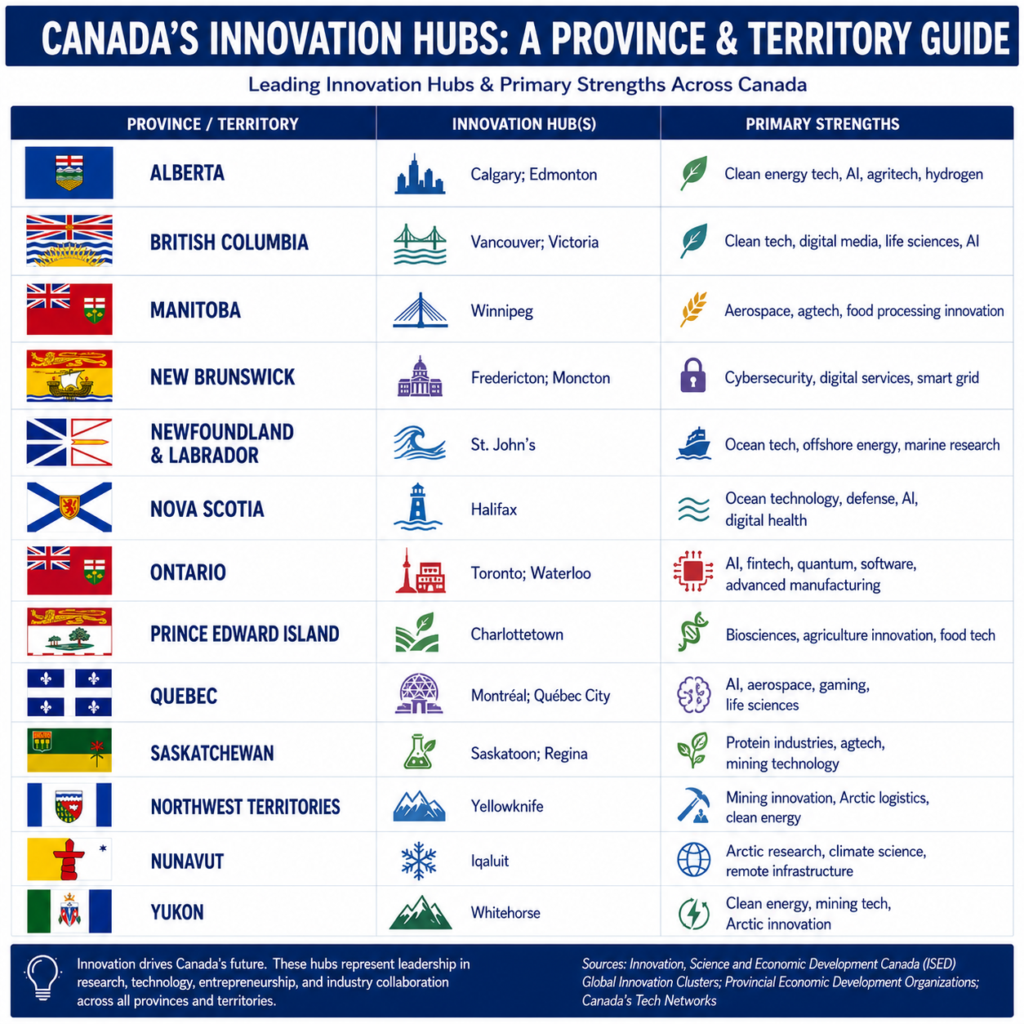
Key Strategic Tips Into Effective Hub Management
The Icanpreneur platform can help you carry out customer issue interviews following the best industry practices. Develop a clear method for integrating new innovations into your company. This need to consist of setting particular goals, designating resources, and establishing timelines for application. Motivate a culture of innovation within your company. You can attain such a culture by: promoting creativity, supporting risk-taking, offering opportunities.
This will help you remain attuned to customer needs and choices, guaranteeing your developments are popular. Collaborate with market experts, research study institutions, and innovation providers to remain informed about the latest advancements. Networking will help you access important insights and resources for effective development. We prepared a list of 15 YouTube channels about entrepreneurship that you can follow to remain on top of the news.

Latest Posts

Hybrid Computing Strategies for Scaling Enterprise Hubs

How AI Will Reshape Enterprise Transformation by 2026?

How to Build Enterprise Innovation Centers